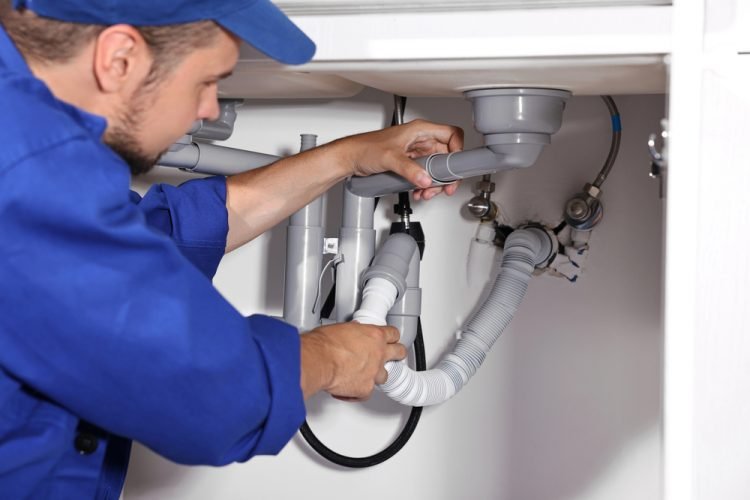

Homeowners can prevent costly plumbing repairs with simple, steady habits. Catch drips early through daily checks and tighten connections before leaks grow. Maintain fixtures to stop silent leaks from worsening. Adopt water-smart routines to reduce waste and save money. Consider smart upgrades that detect drips and alert maintenance needs. Small, consistent actions matter, preserving systems and lowering bills. The approach builds resilience, yet important questions remain about implementing these steps effectively.
Catch Drips Early With Simple Daily Checks
Regular checks help homeowners spot minor leaks before they become major problems. This approach emphasizes drip detection and daily checks as practical safeguards.
A detached observer notes faucet drips, running toilets, and uncertain water flow, prompting timely action. By documenting findings and acting promptly, households reduce waste, lower bills, and preserve systems.
Clarity and discipline empower responsible, freedom-focused maintenance.
Maintain Fixtures to Prevent Silent Leaks
Maintain fixtures to prevent silent leaks by ensuring all connections are tight, seals are intact, and components are properly lubricated or replaced as needed. Regular inspections catch wear before failures, reducing costly repairs. Focus on upkeep reminders for leak prone fixtures, check hoses, valves, and gaskets, and perform timely replacements. A disciplined routine protects systems and preserves freedom from unforeseen water damage.
Use Water-Smart Habits to Cut Waste
Careful water use builds on maintaining fixtures by reducing demand and extending the value of a leak-tight system. The approach promotes drip proof habits and disciplined water conservation routines, centering on small, consistent actions rather than large, disruptive changes.
Households save resources by fixing drips promptly, using appliances efficiently, and scheduling irrigation to minimize waste while preserving comfort and autonomy.
Smart Upgrades That Pay for Themselves
Smart upgrades that pay for themselves are investments in durability and efficiency. They empower homeowners to catch drips early and perform daily checks without hassle, maintain fixtures proactively, and detect silent leaks before damage occurs.
Frequently Asked Questions
How Often Should I Inspect Outdoor Irrigation Lines for Leaks?
Regular checks are recommended quarterly. A trained observer should inspect irrigation lines for leaks at least every three months, with additional inspections after heavy rainfall or freezing weather. Proactive monitoring helps detect hidden leaks in irrigation lines early.
Can I Test for Hidden Leaks Behind Walls Safely?
Yes, he can test for hidden leaks behind walls safely using noninvasive methods during wall inspection; watch for phantom flushes, perform seasonal checks, and rely on professional-grade detectors to minimize risk and ensure accurate results for freedom-minded homeowners.
Do Plastic Pipes Require Different Maintenance Than Metal Pipes?
Does a simple rule apply when considering plastic pipes versus metal? Plastic pipes require different maintenance differences; routine inspections and thermal expansion awareness are emphasized, while metals rely more on corrosion checks. The maintenance differences guide proactive, independent homeowners.
What’s the Best Way to Detect Phantom Flushes in Toilets?
To detect phantom flushes, one should monitor continuous water usage patterns and perform leak detection tests with a貼 device or dye test. Phantom flushes indicate hidden valve or fill-tloat issues; reliable monitoring improves overall system efficiency.
Are There Seasonal Checks to Prevent Freeze-Related Bursts?
Yes. Seasonal freeze checks include insulating exposed pipes, sealing drafts, and draining outdoor lines; monitor for hidden leaks during warming spells, and address any damp spots promptly to prevent bursts and water loss.
See also: Security Tools for Developers
Conclusion
A practical, preventative approach keeps plumbing healthy and costs low. By catching drips early, maintaining fixtures, and embracing water-smart habits, homeowners avoid silent leaks and wasted gallons. Regular checks, timely reseating connections, and sealed seals build a resilient system week after week. Smart upgrades offer returns through reduced bills and fewer emergencies. In short, proactive care is a well-timed shield—a steady drumbeat guarding against costly surprises, maintaining comfort and value without drama.
