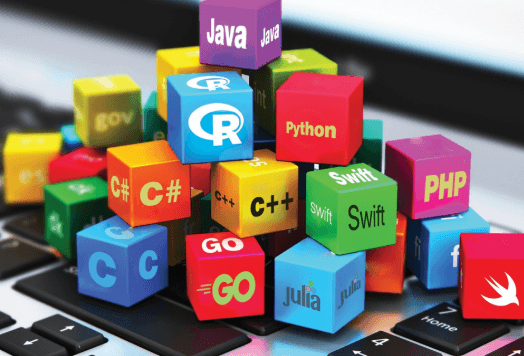

The programming landscape is evolving toward greater data complexity, multiple languages, and modular architectures that favor autonomy and interoperability. Governance becomes scalable and observable, while architecture reviews keep systems coherent as microservices simplify rather than proliferate. Practical AI helpers and edge compute enable offline resilience and latency-sensitive workflows. Ethical, greener designs with verifiable components shape safer ecosystems, yet the human factor—dev experience and collaboration—remains the hinge, inviting continued scrutiny of how teams adapt.
What’s Changing in the Programming Landscape
The programming landscape is undergoing rapid, multidimensional change driven by rising data complexity, proliferating languages and frameworks, and a shift toward more modular, reusable architectures. This evolution emphasizes autonomy, interoperability, and scalable governance. Microservices deprecations press for simplification, while quantum readiness reshapes strategy. Teams adopt disciplined architecture reviews, emphasizing portability, observability, and secure, future-proof tooling for adaptable, resilient systems.
Practical AI Helpers and Edge Compute in Everyday Dev
Practical AI helpers and edge compute are reshaping everyday development by enabling local inference, offline resilience, and lower latency without relinquishing centralized governance.
This shift emphasizes AI helper ergonomics, ensuring intuitive interactions and reduced cognitive load for developers.
Edge computing deployment enables resilient pipelines, distributed data sovereignty, and scalable performance, delivering speed to end users while preserving governance and predictable, auditable behavior.
Building Greener, Safer, and More Ethical Architectures
As architectures evolve, can greener, safer, and more ethical designs be achieved without sacrificing performance or scalability?
The analysis considers modular, verifiable components, transparent governance, and lifecycle-aware choices enabling Greener Architecture while reducing risk.
Decentralized compliance, energy-aware scheduling, and measurable ethics metrics frame Safer Systems.
Adoption hinges on standards, tooling, and institutional trust that empower independent teams to pursue responsible innovation.
Dev Experience, Collaboration, and the Human Side of Tech
Teams optimize workflows, cultivate psychological safety, and align metrics with humane goals, ensuring sustainable innovation, autonomy, and shared purpose across evolving tech ecosystems.
See also: fideltruf
Frequently Asked Questions
What Skills Will Dominate Programming Jobs in 2030?
The dominant skills in 2030 include cloud native architectures and edge automation, enabling scalable, resilient systems. Developers emphasize observability, security by design, and orchestration across distributed environments, supporting autonomous decision-making for flexible, freedom-oriented digital ecosystems.
How Will Quantum Computing Impact Everyday Software Development?
Qubits sigh, reshaping development as quantum hardware filters problems beyond classical reach; everyday software becomes modular, tests sharpened by probabilistic results, software usability evolves; cloud security hardens, and developer tooling adapts, enabling freedom while embracing complexity.
Can Low-Code Platforms Replace Traditional Coding Teams?
Low-code platforms cannot fully replace traditional coding teams; they complement them. They enable faster prototyping and deployment automation, while complex, legacy refactoring and retrofitted automation require specialist skills for sustainable, scalable, wayfinding dashboards. Freedom-aware teams balance collaboration.
What Are the Long-Term Risks of Ai-Generated Code?
AI-generated code may accumulate long-term risks such as hidden defects and misaligned abstractions, amplifying tech debt; code maintainability could suffer if provenance and intent are unclear, challenging future refactors and freedom to iterate efficiently.
How Will Regulations Shape Software Privacy Across Industries?
Regulations will shape software privacy by requiring robust privacy audits, enforcing data localization, and harmonizing cross-border standards; regulators insist on transparency, accountability, and risk-based controls, while organizations pursue flexibility, innovation, and principled privacy stewardship in parallel.
Conclusion
In a world where code learns to fetch coffee and governance audits itself, the future looks both inevitable and improvable. Developers chase portability, observability, and greener ethics while swarm-like microservices simplify into sensible boundaries. Practical AI and edge compute stitch latency into offline resilience, yet demand disciplined reviews and humane tooling. The landscape remains chaotic, purposeful, and oddly optimistic: a disciplined, collaborative craft translating complexity into reliable, scalable systems that are kinder to people and planet alike.